Effective SEO Strategies for Rehab Centers
In today’s digital age, having a strong online presence is crucial for rehab centers. SEO, or search engine optimization, is key to achieving this. It helps rehab centers reach more potential clients online.
SEO for rehab centers involves several strategies. These strategies improve visibility on search engines like Google. The goal is to attract individuals seeking addiction treatment services.
Understanding your audience is the first step. Knowing what potential clients search for is vital. This knowledge guides your SEO efforts effectively.
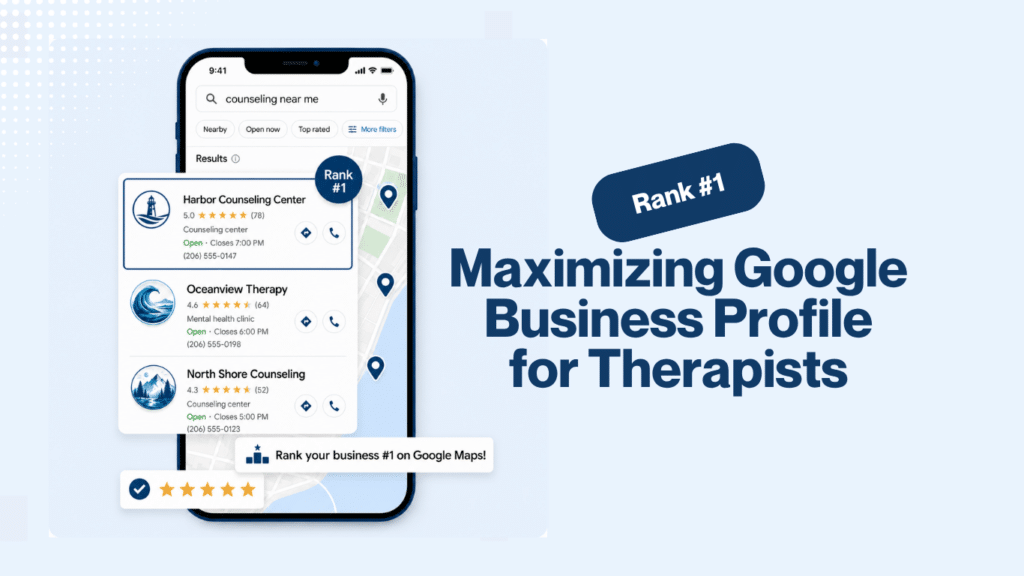
Local SEO is particularly important for rehab centers. It helps target clients in specific geographic areas. Optimizing your Google Business Profile is a crucial part of this process.
Creating high-quality content is another essential strategy. Content should address the needs and concerns of those seeking rehab services. This builds trust and authority in your field.
Mobile optimization is also critical. Many users search for services on their phones. A mobile-friendly site improves user experience and search rankings.
Backlinks from reputable sites boost your domain authority. They signal to search engines that your site is trustworthy. This can improve your search rankings significantly.
Social media platforms can enhance your brand awareness. Engaging with potential clients on these platforms is beneficial. It complements your SEO efforts.
Online reviews and testimonials build credibility. They influence potential clients’ decisions. Managing these reviews is part of a successful SEO strategy.
Finally, staying updated with SEO trends is essential. Search engine algorithms change frequently. Adapting to these changes keeps your rehab center competitive.
Why SEO Matters for Rehab Centers
The digital landscape for healthcare is fiercely competitive, especially for rehab centers. SEO plays a pivotal role in distinguishing your center from others. It directs potential clients to your services when they need help the most.
SEO enhances your visibility online. Higher visibility means more potential clients will find your rehab center. Being on the first page of search results can significantly boost inquiries and enrollment.
Through effective SEO, you capture user interest effectively. It’s not just about attracting traffic; it’s about drawing in the right people. These are individuals actively seeking addiction treatment options.
Consider SEO as a bridge. It connects those in need with your rehab center’s offerings. Without this bridge, your services might remain unnoticed amidst the vast online world.
SEO strategies can improve trust and credibility. A well-optimized site shows professionalism and reliability to visitors. It’s essential in making a strong first impression.
There’s also the cost-effectiveness of SEO to consider. Unlike traditional advertising, SEO targets users actively looking for services like yours. This targeted reach often results in a higher return on investment.

The structure and content of your site should address client needs. Whether it’s via detailed service pages or insightful blogs, quality content is key. This not only helps in ranking well but also in establishing authority in the rehab sector.
In summary, SEO matters because it positions your rehab center where clients can find and choose you. Embrace SEO to ensure your services are accessible to those who need them most.
Understanding Your Audience and Their Search Intent
Understanding your audience is crucial for effective SEO for rehab centers. Knowing who they are shapes your approach to content and outreach efforts. It’s about meeting their needs precisely.
Search intent is the purpose behind a user’s online search query. It may be informational, navigational, or transactional. Grasping this helps align your content with what potential clients seek.
Consider the journey of someone seeking rehab services. Initially, they might search for information about addiction symptoms. Later, their searches might focus on treatment options or facility reviews.
To tailor your content effectively, categorize search intents into common themes:
- Informational: Queries related to understanding addiction, symptoms, and recovery processes.
- Navigational: Searches looking for specific rehab centers by name.
- Transactional: Queries about booking consultations or checking treatment program costs.
Aligning content with intent boosts user experience and engagement. Content aligned with search intent answers user questions effectively. It keeps potential clients engaged and connected.
Effective SEO requires empathy and insight into user behaviors. By understanding search intent, you can create a pathway that guides users seamlessly to your services. This targeted approach ultimately aids in converting visitors into clients.
Comprehensive Keyword Research for Rehab SEO
Keyword research is the cornerstone of effective SEO for rehab centers. It helps you understand what terms potential clients use. This insight is key to driving relevant traffic to your website.
Start with a broad list of potential keywords. Include terms related to the services offered by rehab centers. Then narrow this list using keyword tools to assess search volume and competition.
Understanding keyword types is essential. Focus on both short-tail and long-tail keywords. Short-tail keywords are broad, often competitive terms. Long-tail keywords are more specific and easier to rank for.
Examples of keyword categories to consider:
- Short-Tail Keywords: “addiction treatment,” “rehab centers.”
- Long-Tail Keywords: “residential rehab programs for alcohol addiction.”
Another important aspect is including location-specific keywords. These cater to users searching for local services. They improve the chances of reaching potential clients nearby.
Here are some examples:
- Local Short-Tail Keywords: “rehab centers in [city],” “local treatment facilities.”
- Local Long-Tail Keywords: “best rehab programs in [specific city] for addiction.”
After identifying your keywords, integrate them naturally into your content. They should appear in headings, body text, and metadata without disrupting the flow.
Proper keyword research ensures your content is what your audience is searching for. It lays the groundwork for a successful, targeted SEO strategy. This approach aims to increase your online visibility effectively.

Local SEO for Rehab Centers: Reaching Your Community
Local SEO is crucial for rehab centers aiming to attract nearby clients. It ensures your services are visible in local search results, connecting you with individuals searching for help in your area.
To start, optimize your website with location-specific keywords. This targets potential clients in your region, increasing your site’s relevance in local searches.
Creating location pages is beneficial. Each page can focus on a specific city or region where your services are available. Include detailed information about your services and the benefits of choosing your center.
Here’s a checklist for effective local SEO implementation:
- Claim and optimize your Google Business Profile.
- Include location keywords in title tags, headings, and content.
- Create consistent NAP (Name, Address, Phone) information.
Building local backlinks can enhance your local SEO. Reach out to local organizations or participate in community events. This increases your visibility and credibility within the local area.
Consider posting content about community involvement on your website. Highlight participation in local health fairs or workshops. This not only improves SEO but establishes your center as an engaged local entity.
Don’t ignore the power of social media for local SEO. Share updates about community engagements and encourage local followers to interact. This increases your local online presence and engagement levels.
Lastly, track your local SEO efforts using tools like Google Analytics. They provide insights into traffic sources and help refine strategies for better results.
Optimizing Your Google Business Profile
A well-optimized Google Business Profile is vital for local SEO. It boosts visibility in local searches and maps. First, ensure your profile is claimed and fully verified. This establishes your presence in local search results.
Fill in all profile sections accurately. Include your rehab center’s name, address, and phone number. Consistency here is key for search engines and users alike.
Add high-quality images to your profile. Show your center’s facilities and staff to create a welcoming impression.
A checklist for optimizing your Google Business Profile:
- Complete all sections of the profile.
- Use relevant keywords in the business description.
- Regularly update photos and posts.
Encourage clients to leave reviews. Google considers reviews when ranking local results. High-quality, positive reviews significantly boost your visibility.
Keep your business hours updated. This ensures potential clients know when you are open, reducing any confusion or frustration.
Regularly review insights from Google My Business. This data reveals how clients find and interact with your listing, guiding further optimization.

by Zulfugar Karimov (https://unsplash.com/@zulfugarkarimov)
Building and Managing Local Citations
Local citations are mentions of your rehab center on the web. They typically include your name, address, and phone number (NAP). Managing these citations boosts local SEO.
Start by listing your rehab center on reputable directories. Focus on healthcare, addiction treatment, and local business listings.
Ensure NAP consistency across all platforms. This reduces confusion and strengthens your local online presence.
Here are steps to manage local citations effectively:
- Identify popular directories in your niche.
- Verify and claim your listings on each platform.
- Regularly audit NAP consistency.
Update your information promptly when changes occur. This could be a new phone number or address. Regular updates maintain accuracy and boost credibility.
Check for duplicate listings and remove them. Duplication can dilute your listing’s strength, impacting search visibility.
Continual citation management optimizes your local search performance, bringing more local clients to your door.
Generating and Responding to Reviews
Reviews impact the online reputation and search visibility of rehab centers. Positive reviews foster trust and improve rankings in local searches.
Encourage clients to write honest reviews. Send follow-up emails after services asking for feedback. Make it easy by providing direct links to your review platforms.
A few strategies for generating more reviews:
- Ask satisfied clients to share their experiences online.
- Display review reminders in your center and on your website.
- Offer guidance on how to leave a review.
Respond to all reviews promptly. Thank clients for positive feedback. Address concerns in negative reviews constructively, showing dedication to improvement.
Apologize for any issues and offer solutions, showcasing excellent customer service. This approach not only helps in damage control but also enhances your center’s reputation.
By actively managing your reviews, you build credibility and enhance your local SEO efforts. This engagement can transform potential setbacks into opportunities for growth.
On-Page SEO Best Practices for Rehab Centers
On-page SEO is the cornerstone of optimizing your website for search engines. Start by refining your site’s title tags and meta descriptions to incorporate relevant keywords. This informs search engines and users about your page’s content.
Headers should be structured and informative. Using
,
, and
tags helps organize content and improves readability.
Engage users with multimedia. Images, videos, and infographics enhance user experience and hold attention longer. Ensure all images have descriptive alt text to aid search engines in understanding content context.
Consider the following on-page SEO elements:
- Use keyword-rich URLs.
- Include internal links to relevant pages.
- Optimize images with proper size and format.
Make sure your content is engaging and informative. Avoid keyword stuffing; instead, focus on creating valuable content that answers users’ queries.
Ensure your pages load quickly. Site speed impacts both user experience and SEO rankings. Tools like Google PageSpeed Insights can help identify areas for improvement.
Lastly, regularly update content to keep information current and relevant. Regular updates signal search engines that your site provides fresh and valuable content.

by Stephen Phillips – Hostreviews.co.uk (https://unsplash.com/@hostreviews)
Creating High-Quality, Relevant Content
Content is critical for attracting and retaining users. High-quality content establishes authority and trust with your audience. Start by researching topics and trends relevant to your target audience.
Focus on addressing common questions and concerns faced by individuals seeking rehab services. This aligns with user intent and makes your content valuable.
Consider the different stages of the buyer’s journey when creating content. Develop resources for awareness, consideration, and decision stages.
To enhance your content strategy, include:
- Blogs and articles about industry trends.
- Patient testimonials and success stories.
- Educational resources and guides.
Incorporate keywords naturally into your content. This improves search visibility without compromising readability.
Visuals play a significant role in content engagement. Use images and videos to break up text and illustrate key points.
Ensure your content is error-free and well-written. Poorly written content can harm your credibility and deter potential clients. Proofreading is essential before publication.

by Jonathan Francisca (https://unsplash.com/@jonathan_francisca)
Optimizing for Mobile and User Experience
Mobile optimization is crucial as more users access the web via mobile devices. A responsive design adapts to various screen sizes, ensuring a consistent user experience.
Focus on navigation simplicity. Users should easily find information without excessive scrolling or searching.
Key mobile optimization strategies include:
- Implement a mobile-friendly website design.
- Ensure fast loading times for mobile users.
- Simplify navigation menus and buttons.
Test your site across different devices. This ensures a seamless experience for all users, regardless of their device.
Remember, Google’s algorithm considers mobile-friendliness in its rankings. Ensure your site passes the Mobile-Friendly Test.

by Sarah Dorweiler (https://unsplash.com/@sarahdorweiler)
Technical SEO Essentials
Technical SEO ensures your website is well-indexed by search engines. Start with an XML sitemap to guide search engines through your content.
Ensure a clean, organized site structure. This facilitates easier crawling and indexing by search engines.
Focus on the following technical SEO aspects:
- Use descriptive URLs with relevant keywords.
- Implement HTTPS for a secure website.
- Optimize page speed for better performance.
Check for crawl errors regularly using Google Search Console. Resolve them promptly to maintain optimal indexing.
Implement structured data markup. This helps search engines understand your content better, improving search visibility.
Ensure no duplicate content exists on your site. Duplicate content can confuse search engines and negatively affect rankings.

by Justin Morgan (https://unsplash.com/@justin_morgan)
Link Building and Authority Development
Building authority is key in enhancing your rehab center’s online presence. Securing backlinks from reputable sites boosts your domain authority significantly. Begin by identifying authoritative sites within the healthcare and addiction treatment niches.
Reach out to potential partners with relevant content that they might want to link to. This includes well-researched articles, infographics, or unique reports. Building relationships can foster consistent link opportunities.
Focus on earning links naturally. Guest blogging on reputable sites in your field can be a great way to showcase your expertise and gain backlinks. Here are some strategies:
- Conduct joint webinars with industry experts.
- Collaborate on research or articles with other healthcare professionals.
Directories and resource pages offer another opportunity for link building. Ensure your rehab center is listed on respected directories in the healthcare sector. These listings can drive referral traffic and enhance your credibility.
Here’s what to look out for:
- High domain authority directories.
- Sites related to addiction treatment and healthcare.
Participate in community events and engage with local organizations. Establishing these relationships can lead to shared content and links.
Remember, quality over quantity is essential in link building. A few authoritative links can outweigh numerous low-quality ones. Link diversity is also crucial, so aim for links from a variety of sources.
Continuous monitoring is important to ensure the quality and relevance of your backlinks. Use tools like Ahrefs or Moz to analyze your link profile.

by Markus Spiske (https://unsplash.com/@markusspiske)
Content Marketing Strategies for Rehab Centers
Content marketing is vital for establishing your rehab center as an industry authority. It helps attract potential clients by providing valuable information. Start by understanding your audience’s needs and creating content that addresses those needs.
Use a mix of content types to engage a broader audience. This includes articles, videos, podcasts, and infographics. Regularly update your content to reflect the latest trends and research in addiction treatment.
Here are some valuable content ideas:
- Success stories and testimonials from past clients.
- Guides on choosing the right rehab center.
Implement a content calendar for consistency. This helps ensure a steady flow of new content. It also aids in planning your topics around key events and seasons.
Align your content with the different stages of your audience’s journey. From the initial search for help to post-recovery support, tailor your content accordingly. Utilize storytelling to make your content relatable and engaging.
Promote your content across multiple platforms. Share on social media, in newsletters, and within relevant online communities. Leveraging multiple channels can expand your reach.

by Amelia Lowell (https://unsplash.com/@keyhealthcare)
Leveraging Video and Multimedia Content
Video content is a powerful tool for engaging users. It delivers complex information clearly and engagingly. Rehab centers can use video to showcase facilities and success stories.
Creating informative videos can answer common questions potential clients have. Tutorials or Q&A sessions can position your center as knowledgeable and helpful. Visual content often results in better user engagement and retention.
Consider these video ideas:
- Facility tours and introduction to staff members.
- Expert talks on addiction and recovery topics.
Ensure your videos are optimized for SEO by including proper titles, descriptions, and tags. Transcripts can further enhance accessibility and boost SEO. Video content can also be shared on platforms like YouTube and social media for wider reach.

by Amelia Lowell (https://unsplash.com/@keyhealthcare)
Blogging and Resource Hubs
Blogging is an essential part of content marketing for rehab centers. Regular blog posts keep your audience informed and engaged. They also improve your site’s SEO by targeting specific keywords.
Develop a resource hub on your website. It could contain articles, downloadable guides, and interactive tools for those seeking help. This hub can serve as a go-to place for valuable information.
Here are some blogging topics:
- The latest research in addiction treatment.
- Tips for supporting a loved one in recovery.
Keep your posts well-researched and relevant. Facts and statistics can enhance the credibility of your content. Encourage readers to comment and share their thoughts, fostering a community around your content.
Ensure your blog is easy to navigate and visually appealing. Clear headings and concise writing can improve readability.

by Annie Spratt (https://unsplash.com/@anniespratt)
Reputation Management and Online Reviews
Reputation is critical for rehab centers. Online reviews shape public perception and can influence potential clients. A positive digital reputation fosters trust and credibility.
Actively managing online reviews is essential. Encourage satisfied clients to leave reviews on platforms like Google and Yelp. This boosts your visibility and attracts more clients.
Here are steps for effective reputation management:
- Promptly respond to all reviews, positive or negative.
- Address concerns and thank reviewers for their feedback.
Cultivating positive relationships with clients leads to better reviews. Showcase testimonials on your website to highlight your center’s strengths. Authentic, heartfelt stories resonate more with prospective clients.
Regularly monitor mentions of your brand online. Address any negative feedback professionally and constructively. This can turn criticism into an opportunity for improvement and demonstrates your commitment to quality.
Tracking, Analytics, and Continuous Improvement
Tracking and analytics are vital for the success of your SEO strategy. Understanding what works and what needs adjustment is key. Utilize tools like Google Analytics to gain insights.
Analytics helps identify traffic sources, user behavior, and conversion rates. It offers data-driven insights necessary for informed decisions. With this data, refine your tactics for better results.
Here are key metrics to monitor for continuous improvement:
- Website traffic and user engagement rates
- Conversion rates and goal completions
- Bounce rates and page load speed
Regularly reviewing these metrics guides your strategy. Adjust content, keywords, and design based on what the data reveals. This ensures you meet your audience’s needs effectively.
Continuous improvement is not a one-time effort. Set periodic reviews, adapt your plans, and test new approaches. Keeping pace with changes in user behavior and market trends is essential.
To enhance tracking, consider using heatmaps and user session recordings. These tools offer deeper insights into user interactions and behavior. Understanding these nuances can lead to more targeted optimization efforts.

by Jakub Żerdzicki (https://unsplash.com/@jakubzerdzicki)
Advanced Strategies: Voice Search, Schema, and AI
Voice search is transforming how users seek information online. It’s crucial to optimize for voice queries, often longer and more conversational. Incorporate long-tail keywords for improved voice search visibility.
Schema markup is another powerful tool. It helps search engines understand website content better, offering rich snippets in search results. Implementing schema can enhance click-through rates by making your listings more attractive.
Here are advanced strategies to consider:
- Use conversational language for voice search optimization
- Implement schema markup for better structured data
- Integrate AI tools to analyze and predict user behavior
AI technology is now a staple in digital marketing. It allows for better personalization and user experience. Leverage AI to predict trends, analyze data, and enhance user engagement on your site.
Staying ahead with these strategies can provide significant advantages. Explore each technology’s capabilities to ensure your rehab center captures and retains more online visitors.

by Akshay Chauhan (https://unsplash.com/@akshayspaceship)
Common SEO Mistakes Rehab Centers Should Avoid
Despite best intentions, many rehab centers fall into common SEO pitfalls. These mistakes can hinder growth, impacting visibility and client acquisition.
Firstly, neglecting mobile optimization is a big oversight. With more users browsing on phones, a non-responsive site can lose you, potential clients.
Secondly, keyword stuffing is a common error. Overusing keywords disrupts readability and might lead to penalties from search engines.
Here’s a list of common mistakes to avoid:
- Ignoring mobile responsiveness
- Overusing keywords (keyword stuffing)
- Forgetting to update outdated content
Content that is outdated or irrelevant can hurt your rankings. Regularly updating your site with fresh, relevant content is crucial for effective SEO.
Avoiding these mistakes can enhance your SEO effectiveness. By addressing these areas, your rehab center can reach more people and foster growth.

by Growtika (https://unsplash.com/@growtika)
Integrating SEO with Other Digital Marketing Channels
SEO doesn’t stand alone in digital marketing efforts. A robust strategy combines SEO with other channels for optimal results.
Social media is a powerful tool that complements SEO. Sharing content on platforms like Facebook or Twitter can increase its visibility and drive traffic.
Email marketing can also support SEO. Sending curated content boosts engagement and provides opportunities to improve website traffic.
Paid advertising is a direct way to reach potential clients. While SEO is a long-term strategy, PPC campaigns offer immediate visibility.
Consider integrating your efforts by:
- Sharing SEO-optimized blog posts on social media
- Using email newsletters to promote content
- Running targeted PPC campaigns
The synergy of SEO with other digital strategies enhances overall marketing effectiveness. This approach ensures a comprehensive reach, maximizing audience engagement.

by Walls.io (https://unsplash.com/@walls_io)
Building a Long-Term SEO Plan for Your Rehab Center
Creating a long-term SEO plan for your rehab center involves strategic foresight and flexibility. It begins with setting clear goals and objectives that align with your center’s mission.
Regularly review and update your keywords to reflect changing search trends. This ensures your content stays relevant and authoritative in your niche. Flexibility allows for adjustments in response to evolving search algorithms and user behaviors.
A successful SEO plan is supported by consistent content creation and optimization. By regularly producing informative and engaging content, you establish authority and cater to your audience’s needs.
Key steps for a robust SEO plan include:
- Defining clear, measurable objectives
- Conducting regular keyword updates
- Monitoring SEO analytics for insights
- Continuously optimizing your content
By following these guidelines, your rehab center can maintain a strong online presence. A well-executed long-term SEO strategy leads to sustained visibility and increased client engagement.

by Markus Winkler (https://unsplash.com/@markuswinkler)
Conclusion: Taking Action on Your Rehab SEO Strategy
Embarking on an effective SEO strategy for your rehab center requires commitment and a hands-on approach. Begin by applying the strategies outlined, focusing on areas where your center needs the most growth.
Stay informed on SEO trends and updates. This adaptability ensures your strategies remain effective and aligned with industry standards. Regular monitoring of your SEO performance allows for timely adjustments.
Finally, remember that SEO is not a one-time task but a continuous process. By integrating SEO practices into your long-term marketing strategy, your rehab center will see sustained growth and improved client engagement.